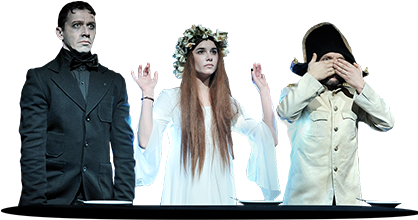
Theatrical version of the play, a phantasmagoria in two acts, running time: 4 h 10 m, prime May 31, 2026
- Author — Fyodor Dostoevsky
- Director — Ivan Popovski
- Designer — Maria Tregubova, Konstantin Binkin, Aleksandra-Victoriya Chayan
- Choreographer — Marina Sokolova,
- Ass. director — Maria Bessonova
You can reserve a buffet table for this performance
Upcoming Performances
October, 30, 19:00
November, 9, 19:00
November, 25, 19:00
December, 3, 19:00
December, 30, 19:00
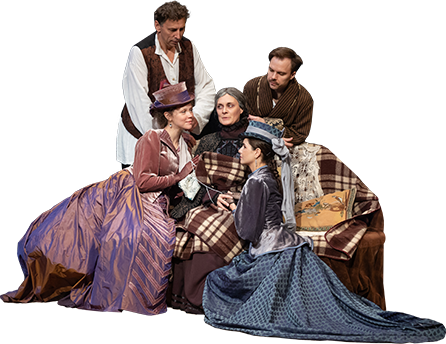
Away from the well-known philosophical novels, the author of “Crime and Punishment“ has written a surprisingly funny, tragicomic, at times terrifying, yet at the same time illuminating work. “The Village of Stepanchikovo and Its Inhabitants“ is an early work by Fyodor Dostoevsky, in which the features of future great novels are discernible. Written immediately after his return from penal servitude, the story reveals a profound understanding of human nature, verging on Gogol-esque grotesque in the author's expression.
In a quiet corner of the Russian outback, on the idyllic estate of the kindly Colonel Rostanev, a “local philosopher” named Foma Fomich Opiskin appears. A sponger and failed writer who somehow inexplicably transforms into a spiritual mentor, a ruthless domestic tyrant, and a master of demagoguery, he subjugates the will of all the household's inhabitants. We find the story's heroes at a crucial, fateful moment. The arrival of Rostanev's nephew, Sergei, who naively decides to expose the tyrant, only adds fuel to the raging fire. This story about the nature of human weakness and strength, its greatness and insignificance, faith and unbelief, despair and hope, reaches tragicomedy, grotesquery, and even „high levels of vampuka” in the work.
„Lord! Why is man evil? Why am I so often evil, when it is so good, so wonderful to be kind?”
From a letter from F.M. Dostoevsky to his brother Mikhail:
«This novel, of course, has grave shortcomings […], but what I am certain of, as if it were an axiom, is that it also has great virtues and that it is my best work […] I don't want to say that I have said everything in it; that would be nonsense!» There's still much to say [there's Crime and Punishment, The Idiot, The Possessed, The Brothers Karamazov to come…] – but it contains two enormous, typical characters, […] wholly Russian and poorly depicted in Russian literature to this day."
A special place in the story's theatrical history is occupied by the Moscow Art Theater's production, which premiered on September 26, 1917 – on the very eve of the October Revolution. The role of Colonel Rostanev was K.S. Stanislavsky's final acting role, and after a lengthy rehearsal period, it was never performed. Fortunately for modern theater, transcripts of these rehearsals have survived, conveying Stanislavsky's profound dramatic analysis of the work and his reverent attitude toward the story, his unique approach to the role of Rostanev, whose main theme he defined as “the struggle between light and darkness, where light must triumph.” This production was the last premiere of the pre-revolutionary Moscow Art Theatre, a symbolic farewell of the Silver Age to the former Russia, and a deeply dramatic moment for Stanislavsky himself.
“Stanislavsky wanted to convey from the stage such a powerful Goodness that it would create harmony on earth,” – Inna Natanovna Solovyova.
In a quiet corner of the Russian outback, on the idyllic estate of the kindly Colonel Rostanev, a “local philosopher” named Foma Fomich Opiskin appears. A sponger and failed writer who somehow inexplicably transforms into a spiritual mentor, a ruthless domestic tyrant, and a master of demagoguery, he subjugates the will of all the household's inhabitants. We find the story's heroes at a crucial, fateful moment. The arrival of Rostanev's nephew, Sergei, who naively decides to expose the tyrant, only adds fuel to the raging fire. This story about the nature of human weakness and strength, its greatness and insignificance, faith and unbelief, despair and hope, reaches tragicomedy, grotesquery, and even „high levels of vampuka” in the work.
„Lord! Why is man evil? Why am I so often evil, when it is so good, so wonderful to be kind?”
From a letter from F.M. Dostoevsky to his brother Mikhail:
«This novel, of course, has grave shortcomings […], but what I am certain of, as if it were an axiom, is that it also has great virtues and that it is my best work […] I don't want to say that I have said everything in it; that would be nonsense!» There's still much to say [there's Crime and Punishment, The Idiot, The Possessed, The Brothers Karamazov to come…] – but it contains two enormous, typical characters, […] wholly Russian and poorly depicted in Russian literature to this day."
A special place in the story's theatrical history is occupied by the Moscow Art Theater's production, which premiered on September 26, 1917 – on the very eve of the October Revolution. The role of Colonel Rostanev was K.S. Stanislavsky's final acting role, and after a lengthy rehearsal period, it was never performed. Fortunately for modern theater, transcripts of these rehearsals have survived, conveying Stanislavsky's profound dramatic analysis of the work and his reverent attitude toward the story, his unique approach to the role of Rostanev, whose main theme he defined as “the struggle between light and darkness, where light must triumph.” This production was the last premiere of the pre-revolutionary Moscow Art Theatre, a symbolic farewell of the Silver Age to the former Russia, and a deeply dramatic moment for Stanislavsky himself.
“Stanislavsky wanted to convey from the stage such a powerful Goodness that it would create harmony on earth,” – Inna Natanovna Solovyova.
- Ivan Popovski’s The Village of Stepanchikovo and Its Inhabitants is an excellent example of how the classics can be alive, funny and extraordinarily engaging. The theatre clearly has another major hit on its hands, one that will undoubtedly fill the house for years to come. One can only be delighted for the theatre and its audiences, who have many wonderful evenings ahead of them at the Pyotr Fomenko Workshop.
- Mikhail Cherkashchenko, Revizor.ru
- This production carries the spirit of the Master, recalling the performances once created by Fomenko’s students at GITIS.
The spirit of play that reigns onstage diminishes neither Dostoevsky’s prose nor the seriousness of the questions it addresses to our contemporaries. - Olga Galakhova, Literaturnaya Gazeta
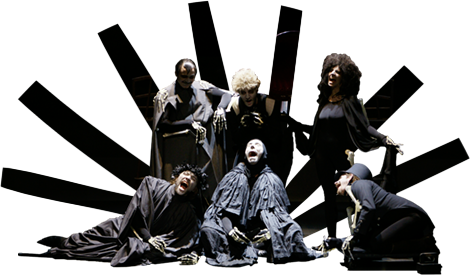
- The Village of Stepanchikovo and Its Inhabitants at the Pyotr Fomenko Workshop is a dense, deliberately theatrical production without a trace of romantic gloss. There is operatic libretto — intrigues, scandals and investigations — pastoral landscapes with meadows and white sheep-like clouds, Greek tragicomedy with plaster idols and rolls of thunder, and classical melodrama: everything merges into grotesque and is concentrated to the point of absurdity. The programme calls it a phantasmagoria, and that is precisely what we see.
[…] An atypical Dostoevsky and an unfamiliar Popovski use total satirical absurdity to turn the village of Stepanchikovo into a parody of paradise. Yet there is little that is simply funny in this theatrical excess. Absurdity is not when everything is untrue, but when it is true and yet impossible to believe. - Elena Shaina, Theatre To Go
- The Pyotr Fomenko Workshop’s The Village of Stepanchikovo and Its Inhabitants carefully preserves the classical substance and full depth of the author’s thought, yet emerges as an incredibly vivid, witty and funny production, entirely free of either “depressive Dostoevsky” or academic tedium.
Director Ivan Popovski, one of Pyotr Fomenko’s students, has created something wonderfully alive. […] In The Village of Stepanchikovo, Popovski once again demonstrates the calibre of his directing: this is Russian classical theatre without a trace of mothballs or museum dust. The production runs for four and a half hours, which may sound daunting, but in reality the time flies by, and from the very first minutes it is literally impossible to tear your eyes away from the stage. - Mikhail Cherkashchenko, Revizor.ru
- Overall, the Pyotr Fomenko Workshop’s interpretation, in my view, perfectly conveys the atmosphere and mood of Dostoevsky’s story, which is narrated in the first person by Sergei Rostanev, arriving in the village of Stepanchikovo and witnessing the entire phantasmagoria created there by Foma. Onstage, too, we see everything through Sergei’s eyes and perceive the villagers through his judgment — exaggeratedly, ironically, with a degree of bewilderment, sometimes with fear, but more often with a desire to chuckle quietly at this preposterous company. Yet above all this there is still love: Sergei’s love for his uncle and for Stepanchikovo. That is why the younger Rostanev’s irony is never biting, but gentle and compassionate — and the audience feels this and empathizes with what is happening.
- Irina Petrovskaya-Mishina, Musecube.org
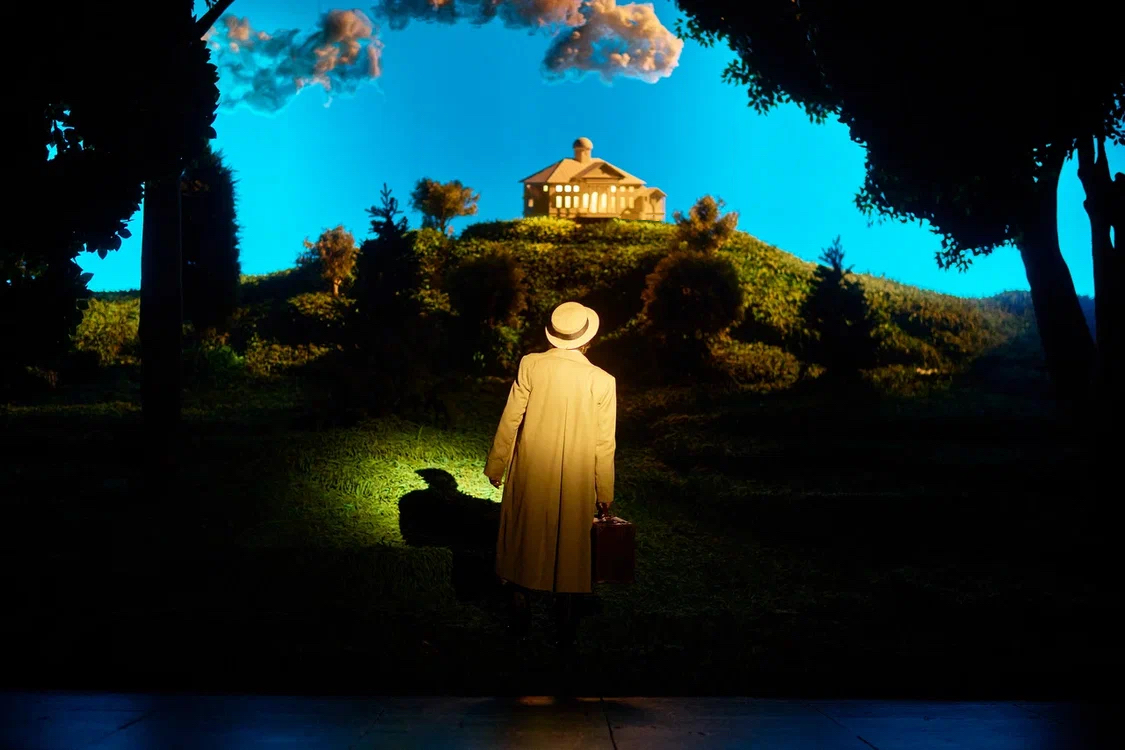
- Incidentally, the Fomenko Workshop premiere is the most beautiful production I have seen in quite some time. Set designer Maria Tregubova has created such a visual world that I could only gasp with delight as I looked at the stage: a childlike, idyllic vision of country life, an unreal, almost fairy-tale landscape, and interiors that resemble the contents of an enchanting doll’s house rather than an actual country estate.
[…] But gradually, as the reality of the uncle’s household unfolds before the visitor and the true nature of Foma Opiskin — who has captured the hearts and souls of its inhabitants — comes to light, the “picture” changes as though poisoned by Foma: the sky darkens, the green grass begins to resemble a deadly swamp, and the estate itself seems to turn into abandoned ruins… An astonishing transformation possible only in the theatre. - Irina Petrovskaya-Mishina, Musecube.org
- Maria Tregubova’s scenography deserves special mention — it is pure visual delight. At one moment an enormous green hill covered with grass rises onstage, crowned by a country estate with glowing windows; at another we find ourselves inside its sumptuous rooms; and then an enormous white bull travels across the stage. […] Visually, the production is extraordinarily rich and colorful — something to admire literally every minute.
- Mikhail Cherkashchenko, Revizor.ru
- Remaining faithful to his teacher, Ivan Popovski organically combines the elements of non-realistic theatre with psychologically truthful acting. As a gesture of respect to his mentor, he incorporates individual lines from Fomenko’s productions — a creative bow that connects generations.
- Evgenia Bolshakova, Revizor.ru
- The long and detailed narrative is carried by an ensemble bringing together the Fomenko Workshop’s established masters and newcomers. For all four hours, the characters seem to compete for the title of the most eccentric figure onstage: they sob aloud, brandish sabres, fall to their knees and experience bizarre dreams — and in the staging of those dreams, to our immense delight, we recognize the familiar signature of Ivan Popovski.
- Elena Shaina, Theatre To Go
- Oleg Niryan is exquisitely precise in revealing all these facets of Foma’s personality. Pitiful and at the same time frightening, grotesque yet theatrically charming, repellent and immediately attractive — this is Foma at the Pyotr Fomenko Workshop. And you realize that you yourself might easily fall into his trap and find yourself in the place of the inhabitants of Stepanchikovo…
- Irina Petrovskaya-Mishina, Musecube.org
Characters and Cast
- Cast for
- all
- October 30
- November 9
- November 25
- Foma Fomich OpiskinOleg Niryan
- Egor Ilyich RostanevNikita Tyunin
- Agafya Timofeevna Krakhotkina,
general's wife, Rostanev's motherGalina Tyunina - Sergey,
Rostanev's nephewVictor Trajber - Sasha,
Rostanev's daughterMargarita Zagorskaya - Ilyusha,
Rostanev's sonPiotr Tunin - Praskovya Ilyinichna,
Rostanev's sisterIrina Kondakova - Anna Nilovna Perepelitsyna,
general Krakhotkina's confidanteYelena Yakub - NastyaSofia Lukinykh
- Evgraf Larionovich Ezhevikin,
her fatherStepan Pyankov - Tatyana IvanovnaOlga Bondareva
- Ivan Ivanovich Mizinchikov,
retired hussarDenis AvramovRoman Rakhimov - Stepan Alekseevich BakhcheevIgor VoinarovskyRustem Yuskaev
- Anfisa Petrovna ObnoskinaTatyana Seredina
- Pavel Semenovich Obnoskin,
her sonBoris Yanovsky - Gavrila,
servantVitaly MetlinSergei Yakubenko - Grigory Vidoplyasov,
Rostanev's servantVladislav TashbulatovIvan Ryabenko - FalaleiKirill Mitrofanov
- SpongersLilia YegorovaMariya SelivanovaNina Lunika
- KorovkinValius TertelisKirill Pirogov
- KapitonovskysAlexei ZhurkinKonstantin LegostaevSergei PetryaevGrigory Tavadze
- Actor
- MusicianEvgeniy RogozinskyAnton SergeevKirill MorozovYevgeny AltudinDmitry Karev Ilya Isakov
Photo gallery


Video
- "The village of Stepanchikovo and its inhabitants" in a story by David Winner on the Moscow 24 TV channel on September 17, 202664.16 Мб, 00:05:33
- "The village of Stepanchikovo and its inhabitants", the story about the premiere in the news of the Russia-Culture TV channel on May 31, 2026285.70 Мб, 00:03:53
Performances
- About love (5 pounds of love, 22 misfortunes, 33 stories)
- Cyrano de Bergerac
- From mooing to sounding
- The Demon

- The Old Man and the Sea
- The village of Stepanchikovo and its inhabitants

- 4 days in frame 25

- A Midsummer Night's Dream
- A Ridiculous Man

- A Theatrical Novel
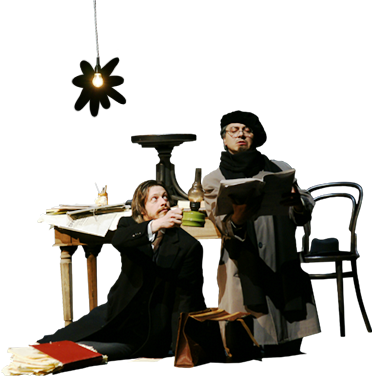
- A comedy about a tragedy: Based on Pyotr Fomenko’s rehearsals.
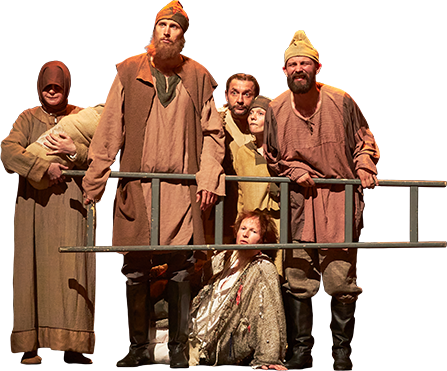
- Absolutely Incredible Event (Marriage in 2 acts)
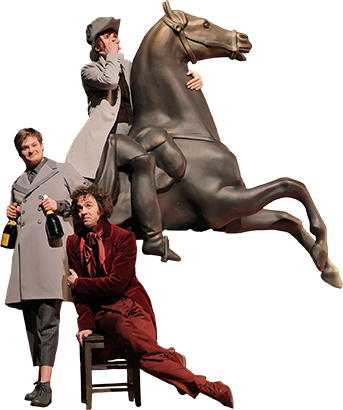
- Alice Through the Looking Glass
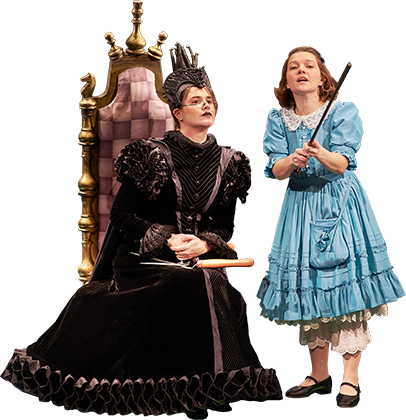
- Arcadia
- Bright Souls, or How to Write a Story

- Dangerous ties
- Doctor Zhivago
- Egyptian nights
- Family Happiness
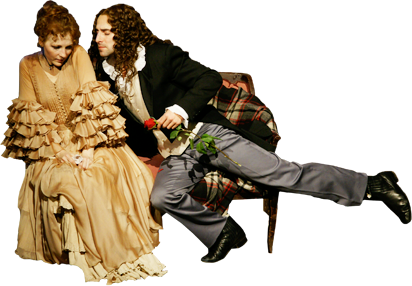
- Five Evenings
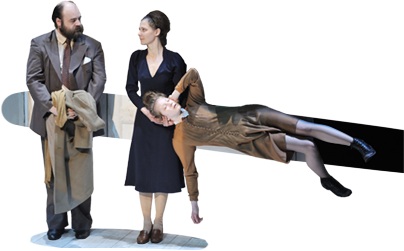
- Happy Days

- He Was a Titular Counsellor
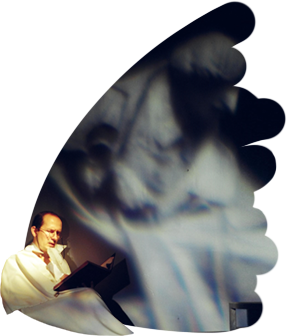
- King Lear
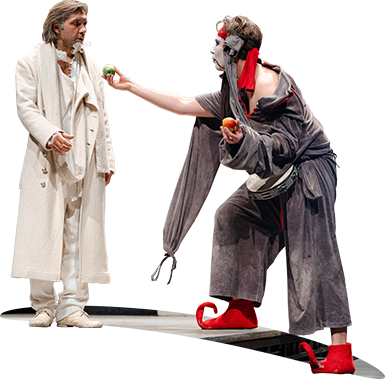
- Kingdom of the curves

- Knight. Mozart. Feast.
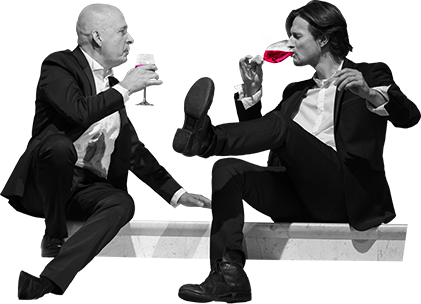
- Last Meetings
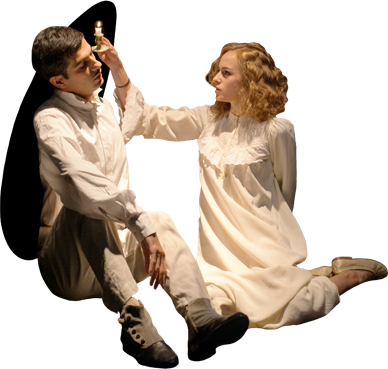
- Mayakovsky. Listen!

- Molly Sweeney

- Mother Courage

- Mozart Don Juan. Dress rehearsal.
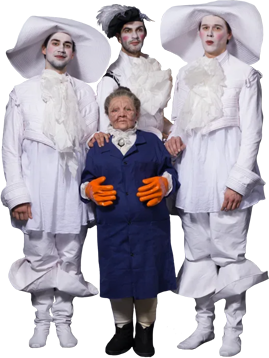
- My Brel
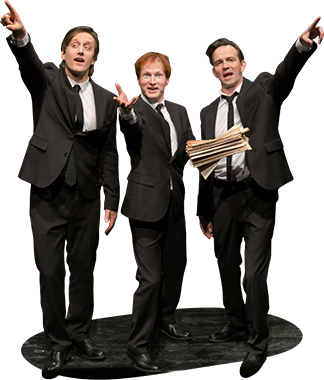
- New Year's adventure of Masha and Vitya
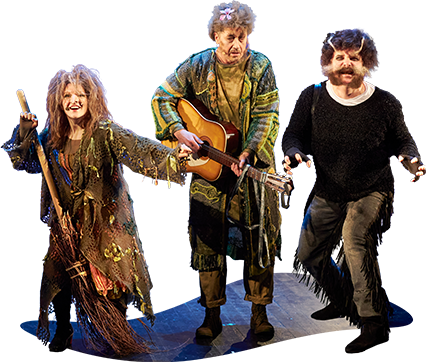
- One Absolutely Happy Village
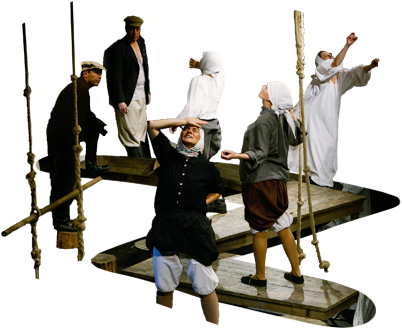
- Riverside country

- Ruslan and Lyudmila
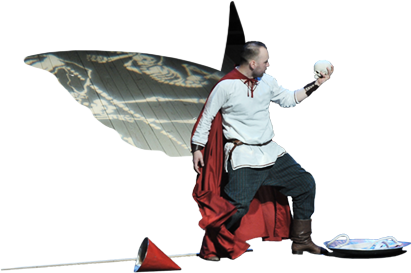
- Ryzhy

- Seryozha is very stupid

- Summer Wasps Bite Us Even in November
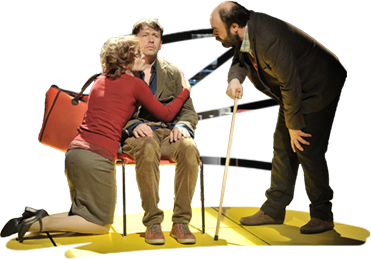
- Sweeping water movements
- Tales of the Forest of Arden
- The Cherry Orchard
- The Divine Comedy. Variations
- The Egyptian Stamp
- The Gift
- The Living and the Dead. Soldiers Are Not Born
- The Madwoman of Chaillot
- The Main Thing
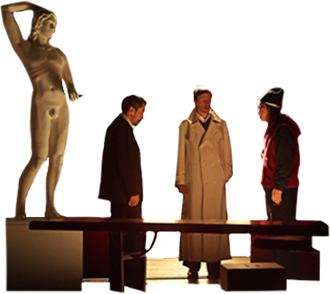
- The School for Wives
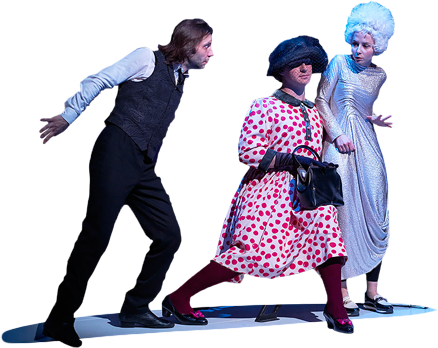
- The Seagull
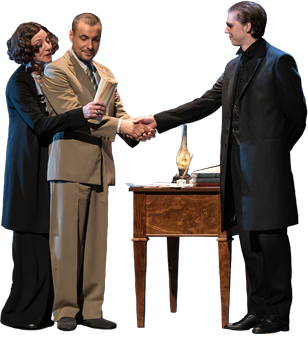
- The Will of Charles Adams, or the House of the Seven Hung
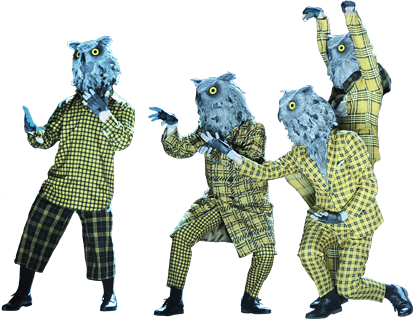
- Triptych
- Visiting Baron Munchhausen
- War and Peace. The Beginning of the Novel
- Without a Dowry
- Wolves and sheep
- …Souls