A play based on the novel by Konstantin Simonov, running time: 1 h 30 m, prime February 2, 2023
- Author — Konstantin Simonov
- Stage Director — Polina Agureeva
- Set design — Maria Mitrofanova
- Lighting artist — Ivan Vinogradov
- Video mapping — Ilya Starilov
- Costume designer — Pavel Alyokhin
- Composer — Valeriy Voronov
- Assistant Director — Ivan Guerasimov
Upcoming Performances
December, 5, 19:00
The central novel of the The Living and the Dead war trilogy — Soldiers Are Not Born (1964) — is dedicated to the Battle of Stalingrad; the setting is January 1943. The characters are based directly on real people whom Konstantin Mikhailovich Simonov (1915–1979) — a writer, poet, and playwright who served as a war correspondent throughout the Great Patriotic War — encountered at the front.
For Simonov’s generation, the Great Patriotic War was the defining event that shaped their worldview and their destinies. As a war correspondent, Simonov visited every front, traversed Romania, Bulgaria, Yugoslavia, Poland, and Germany, and witnessed the final battles for Berlin. Soldiers Are Not Born, the second book in Konstantin Simonov’s The Living and the Dead epic, focuses on the Battle of Stalingrad. It is written from the perspective of someone immersed in the events. “In Stalingrad, I saw many things up close — at point-blank range,” he wrote in his wartime diary.
The novel The Living and the Dead represents a complex synthesis of artistic truth and near-documentary precision in its depiction of the reality of war. It is a book that commands belief. The war within its pages feels alive. It is examined philosophically — capturing both its grandeur and its absurdities and contradictions. It is an honest book that does not shy away from the errors and blunders for which people paid with their lives. Yet, beneath this unsparing truth lies deep pain and a profound love for the Motherland.
The future Victory was forged amidst the inhuman conditions and hardships of the war. Faith in that victory stemmed from the Russian people's deep conviction in the justice of the cause. In the novel, the Great Patriotic War serves as a yardstick for human morality.
This is a play about people — flawed yet strong in spirit, fierce yet full of doubt.
War consumes the whole person — their thoughts, feelings, actions, and destinies. The play seeks to understand not merely the facts or the chronology of the war, but the spiritual state of people facing this harrowing ordeal, the human essence behind their actions, and the inextricable link between life and death in wartime. It explores the cost at which people — amidst a conflict devoid of ordinary human logic — manage to preserve their humanity.
For them, war is work — arduous and exhausting. It is a routine, inescapable labor where even death — an extraordinary event in civilian life — becomes an everyday occurrence. The Battle of Stalingrad was composed of countless such days, where war became a way of life without ever ceasing to be a tragedy. Simonov wrote: “The war remained a tragedy to the very last day. We had to pay the highest price imaginable for victory and for every step taken toward it.”
The play premiered on February 2, 2023, in Volgograd, marking the 80th anniversary of the Soviet forces' defeat of the Nazi invaders at Stalingrad.
Characters and Cast
- Serpilin,
Major GeneralIlya Shakunov - Batuk,
army commanderAleksey Vertkov - Zakharov,
Member of the Army Military CouncilMaxim LitovchenkoTomas Mockus - Roslyakov,
Lieutenant GeneralYuri Belyaev - Kuzmich,
Major GeneralNikolay Chindyaykin - ActorVladimir Toptsov Denis AvramovPolina AgureevaDmitry RudkovStepan PyankovDenis Avramov
- Levashov,
Regimental Deputy Commander for Political AffairsIvan Dobronravov - Ovsyannikova,
military doctorVarvara Nasonova - SoldiersIvan Guerasimov
- Moscow Soloists Chamber Ensemble
- ConductorYury Bashmet
- First violinsAndrey PoskrobkoMikhail AshurovKirill KravtsovOlga KolgatinaIrina Shevlyakova
- Second violinsArtyom DyrulMikhail FeymanMaksim GurevichGerman Beshulya
- AltcoinsVitaly AstakhovAndrey UsovRoman BalashovAleksander Ilatovskiy
- CellosAleksey NaidenovAleksey TolstovAleksander Lunegov
- Double bassMaksim Khlopiev
- AccompanistAndrey Poskrobko
Photo gallery


Performances
- About love (5 pounds of love, 22 misfortunes, 33 stories)
- Cyrano de Bergerac
- From mooing to sounding
- The Demon
- The Old Man and the Sea
- The village of Stepanchikovo and its inhabitants

- 4 days in frame 25
- A Midsummer Night's Dream
- A Ridiculous Man
- A Theatrical Novel
- A comedy about a tragedy: Based on Pyotr Fomenko’s rehearsals.
- Absolutely Incredible Event (Marriage in 2 acts)
- Alice Through the Looking Glass
- Arcadia
- Bright Souls, or How to Write a Story
- Dangerous ties
- Doctor Zhivago
- Egyptian nights
- Family Happiness
- Five Evenings
- Happy Days

- He Was a Titular Counsellor
- King Lear
- Kingdom of the curves
- Knight. Mozart. Feast.
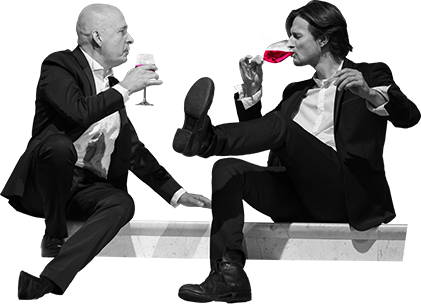
- Last Meetings
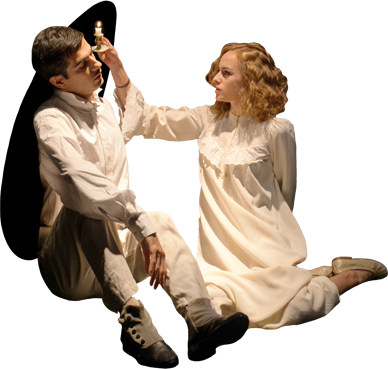
- Mayakovsky. Listen!
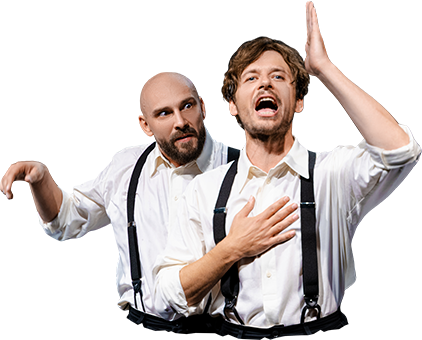
- Molly Sweeney
- Mother Courage
- Mozart Don Juan. Dress rehearsal.
- My Brel
- New Year's adventure of Masha and Vitya
- One Absolutely Happy Village
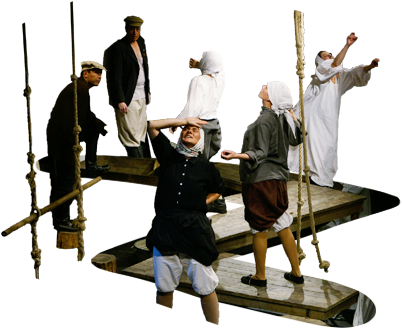
- Riverside country
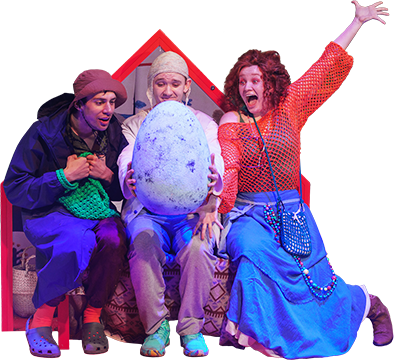
- Ruslan and Lyudmila
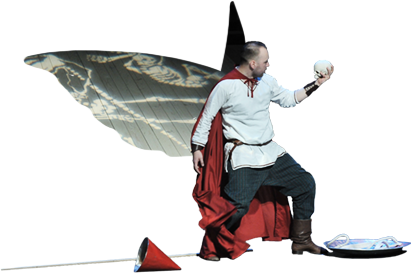
- Ryzhy

- Seryozha is very stupid

- Summer Wasps Bite Us Even in November
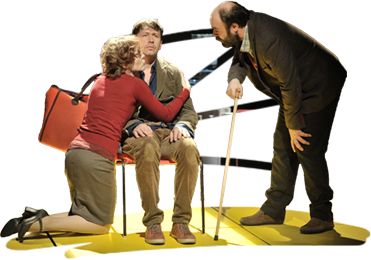
- Sweeping water movements
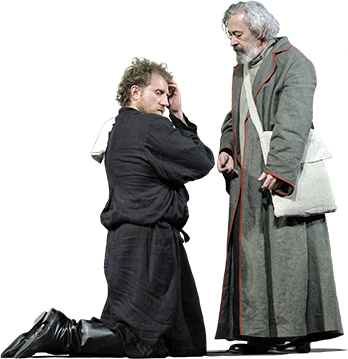
- Tales of the Forest of Arden
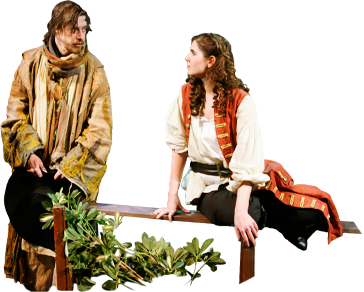
- The Cherry Orchard
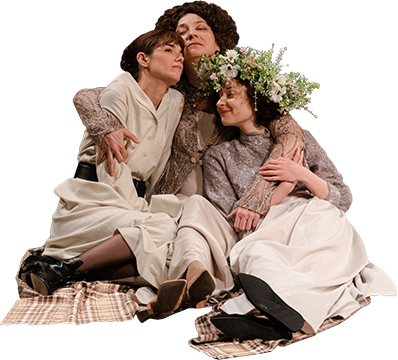
- The Divine Comedy. Variations
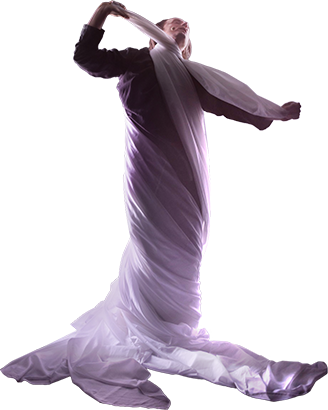
- The Egyptian Stamp
- The Gift
- The Living and the Dead. Soldiers Are Not Born
- The Madwoman of Chaillot
- The Main Thing
- The School for Wives
- The Seagull
- The Will of Charles Adams, or the House of the Seven Hung
- Triptych
- Visiting Baron Munchhausen
- War and Peace. The Beginning of the Novel
- Without a Dowry
- Wolves and sheep
- …Souls